


Cost analysis of malaria prescriptions by prescriber type in healthcare facilities in Lahore
Published: 31 December 2024
Volume 3
Abstract
Malaria is a significant public health problem in developing countries, including Pakistan, with an annual mortality rate of 50,000 2.6 million cases in 2018. Pakistan continues to be among the top four countries with the highest number of anticipated malaria cases in the region. This descriptive cross-sectional study determined the unit cost of antimalarial prescriptions, compared average treatment costs, and assessed any differences in cost across prescriber types and medication categories. Using purposive sampling, 300 prescriptions of uncomplicated malaria were collected from physicians and consultants practicing at two public tertiary care hospitals in Lahore. The cost of drugs was calculated on the basis of the standard retail price set by the pharmaceutical company. The data were analyzed via SPSS version 25, frequencies were calculated, and two-way ANOVA was performed. The results highlighted that the unit cost of antimalarials prescribed by physicians ranged from Pakistani rupees (PKR) 21-30, whereas the majority of combination therapies for physicians cost up to PKR 50. In comparison, antimalarials prescribed by consultants had unit costs between PKR 31 and 40, with combination therapies falling into either a low-cost band (PKR 1–50) or a higher-cost band (PKR 201–300). Two-way ANOVA revealed a statistically significant interaction between prescriber type and medication category in relation to treatment cost (p = 0.002). The study concluded that physicians prescribe lower-cost unit doses and combinations of antimalarial medications than consultants do, and there are significant differences in treatment costs on the basis of prescriber type and the category of medication prescribed. Future research should explore qualitative determinants of prescriber behavior to guide national malaria control and health policy.
Keywords
Malaria treatment cost; Cost-effectiveness analysis; Malaria treatment; Healthcare economics and financing; Prescribing trends; Pharmacy practices
1. Introduction
Malaria is a life-threatening parasitic infection caused by protozoan parasites of the genus Plasmodium and is transmitted through the bite of the female Anopheles mosquito [1]. The five Plasmodium species that infect humans and are primary causative agents of severe malaria include Plasmodium falciparum, Plasmodium vivax, Plasmodium ovale, Plasmodium malariae, Plasmodium knowlesi, and Plasmodium falciparum [2,3]. Fever, nausea, vomiting, headache, joint pain, dizziness, and heartburn are common symptoms of malaria, and factors such as patient history also serve as indicators of malaria [4,5]. The complex life cycle of Plasmodium parasites poses a significant challenge for the development of antimalarial vaccines and resistant drugs [6,7].
Malaria remains a significant public health problem in Pakistan, and 350,000 malaria cases with an estimated 113 deaths were reported in 2021 [8]. In 2022, the World Health Organization (WHO) estimated that 249 million new cases of malaria were diagnosed worldwide, an increase of 5 million cases from the previous year. The countries with a high incidence of malaria included Ethiopia, Nigeria, Uganda, Papua New Guinea, and Pakistan, whereas only Pakistan accounted for approximately 2.1 million new cases. Malaria epidemiology in Pakistan shows fluctuating transmission depending upon regional climate, migration, and health system access, particularly in Punjab and Baluchistan, where cases caused by P. vivax are predominantly other species [9]. However, Pakistan achieved a 40% reduction in malaria incidence from 2015-2020, and it remained among the top four countries with malaria epidemics in the region [10]. Whereas the number of malarial deaths declined from 2015-2019, the incidence rate increased to 10% in 2020 before decreasing slightly in 2022 [8,9,10,11].
According to a study conducted in the United States, the total per-person cost of severe malaria treatment was 2-4 times greater than that of treatment for uncomplicated malaria. The average cost of treatment for hospitalized patients was substantially greater than that for outpatients [United States dollar (USD) 27,642 compared with USD 1,177] [12]. In contrast, patients in Kenya paid USD 15.5 on average for a three-day treatment period for malaria [13]. In Nigeria, indirect costs were greatest in the southern zone, with Nigerian naira (NGN) 13,707.84 and NGN 19,723.55, respectively. For direct costs, the southeast zone had the highest out-of-pocket expenses, NGN 1,391.60, whereas the southern zone had the lowest expenses, NGN 913.08 [14]. Moreover, in 2018, the Rwandan Ministry of Health spent USD 645,647.68 managing malaria in three major geographical zones of the country [15]. In Pakistan, malaria treatment costs are a significant economic burden, accounting for approximately 6.7% of the monthly household income, with low-income populations being extremely affected by out-of-pocket expenses for treatment [16]. This aligns with the WHO, who reported that malaria-endemic countries spend approximately USD 12 billion annually in terms of productivity and healthcare expenditures [17].
In Pakistan, artemisinin-based combination therapies (ACTs) are the WHO-recommended first-line pharmacological agents for uncomplicated P. falciparum and second-line treatments for chloroquine-resistant P. vivax malaria, and chloroquine remains the first-line agent for P. vivax in chloroquine-sensitive cases [18,19,20,21]. However, differences in prescribing behavior among healthcare providers working at different levels and with different capacities in the healthcare system may influence drug selection, dosage, and diagnostic resource utilization. These variations may arise from differences in clinical practice experiences, postgraduate training, adherence to treatment guidelines, and cost awareness in prescribing practices [22,23,24]. It is evident from the scientific literature that prescribers with formal clinical audit experience and proper clinical training in rational drug use demonstrated better adherence to standard treatment guidelines, a lower average prescription cost and better clinical outcomes [25,26].
Despite the high malaria burden in Pakistan, comparative data on prescription costs by prescriber type in urban cities such as Lahore are limited, and existing research focuses on drug efficacy or incidence rather than cost efficiency linked to prescribing behavior [27]. Addressing this gap can guide rational drug use and cost-effective malaria control policies. Therefore, this study aimed to determine the unit cost of antimalarial prescriptions, compare average treatment costs between physicians and consultants, and assess differences in cost across prescriber types and medication categories.
2. Materials and methods
2.1. Study design
A descriptive cross-sectional investigation was carried out over a six-month period, from March to August 2021, in two major public hospitals in Lahore, Pakistan.
2.2. Ethics approval
Ethical clearance was secured from the Ethics Review Committee of Hussain College of Health Sciences, Lahore (reference HCHS/21/ERC/158). Additionally, administrative approval was obtained from the authorities of Shaikh Zayed Medical Complex and Jinnah Hospital prior to study commencement.
2.3. Study setting
Data collection took place at two public tertiary care institutions, Shaikh Zayed Medical Complex and Jinnah Hospital, Lahore [28,29].
2.4. Inclusion and exclusion criteria
Hospital records of outpatients aged 20–40 years who visited the designated healthcare facilities and received a laboratory-confirmed diagnosis of malaria were reviewed by the researcher on the day of the visit. Patients without any other medical conditions, such as allergies, comorbidities or prescription-altering diseases, were included in the study. However, records of patients who revisited the hospital for follow-up or during their malaria incubation period were kept within the exclusion criteria of the study.
2.5. Sample size and sampling technique
The Raosoft sample size calculator was used to determine the required sample size, applying a 95% confidence interval, a 5% margin of error, and a 23.3% pooled malaria prevalence in Pakistan as the response distribution [30]. A sample size of 271 prescriptions was calculated, and a total of 300 prescriptions were acquired from physicians and consultants at the targeted healthcare facilities. A purposive sampling technique was used for the collection of prescriptions and to ensure the inclusion of prescriptions from both prescriber categories.
2.6. Study instrument development
Pakistan’s National Malaria Case Management Guidelines and the WHO’s prescribing indicators, which are recognized as essential frameworks for evaluating malaria treatment practices, were used as a reference to develop the questionnaire for the study [31,32]. The developed tool was then thoroughly reviewed by relevant experts for its validity, sensitivity and specificity. After approval, the finalized tool was employed for the purpose of data collection.
2.7. Study measures and data collection
The developed instrument collected information about the type of healthcare provider (physician or consultant) and the pharmacological category of prescribed drugs (antimalarials, antibiotics, antipyretics, and other medications). The unit cost of each antimalarial drug was calculated on the basis of the standard retail price of the country as approved by the regulatory body, and the average cost of combination therapy for each prescription was determined by totaling the retail prices of all drugs in that prescription. Data were collected by trained pharmacy graduates by relevant experts under the supervision of a senior pharmacist; furthermore, double data entry and independent verification of 10% of the dataset ensured accuracy and internal consistency.
2.8. Statistical analysis
The data were analyzed via the Statistical Package for Social Sciences (IBM Corp., Armonk, NY, USA) version 25.00. Descriptive statistics were calculated for the collected data. Additionally, two-way ANOVA was used to examine the effects of prescriber type, medication category, and their interaction on the cost of malaria treatment. The results were considered statistically significant at p < 0.05.
3. Results
Figure 1 presents the distribution of unit costs for antimalarial drugs prescribed by physicians and consultants. Most prescriptions by physicians were priced between PKR 21 and 30, with a substantial proportion also falling within the PKR 1-10 range. Additionally, some physicians prescribed antimalarials that cost less than PKR 1 per unit. In contrast, consultants primarily prescribed antimalarials within the PKR 31-40 range, followed by a smaller number in the below PKR 1 category.
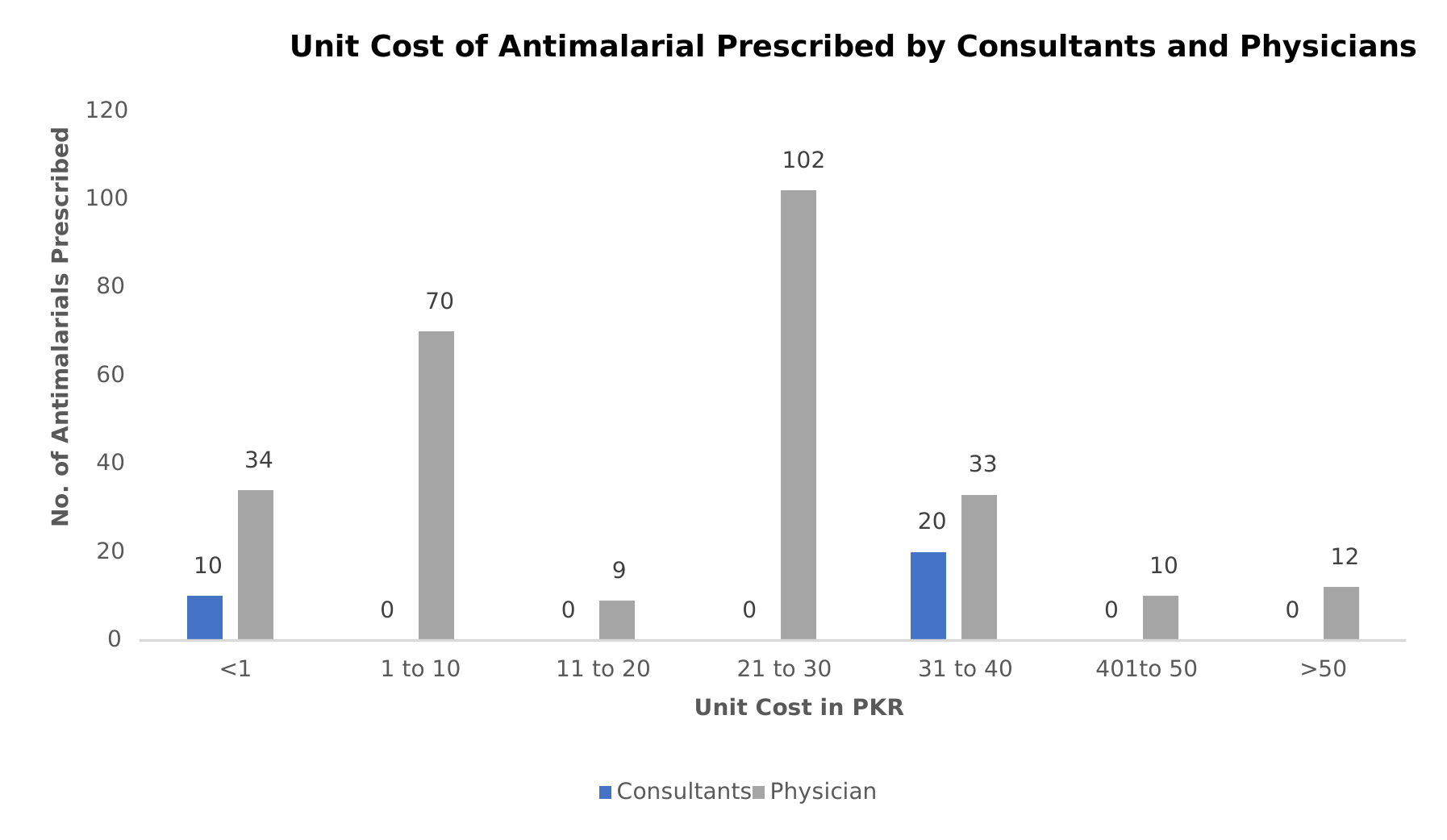
Figure 1. Total cost of antimalarial drugs prescribed by physicians and consultants.
Figure 2 shows the average cost of combination therapies prescribed by physicians and consultants. The majority of prescriptions by physicians were within the PKR 1-100 range, followed by higher-cost categories of above PKR 350 and PKR 201-250. For consultants, the average cost of prescribed combinations was mainly concentrated in two ranges: PKR 1–50 and PKR 201–300.
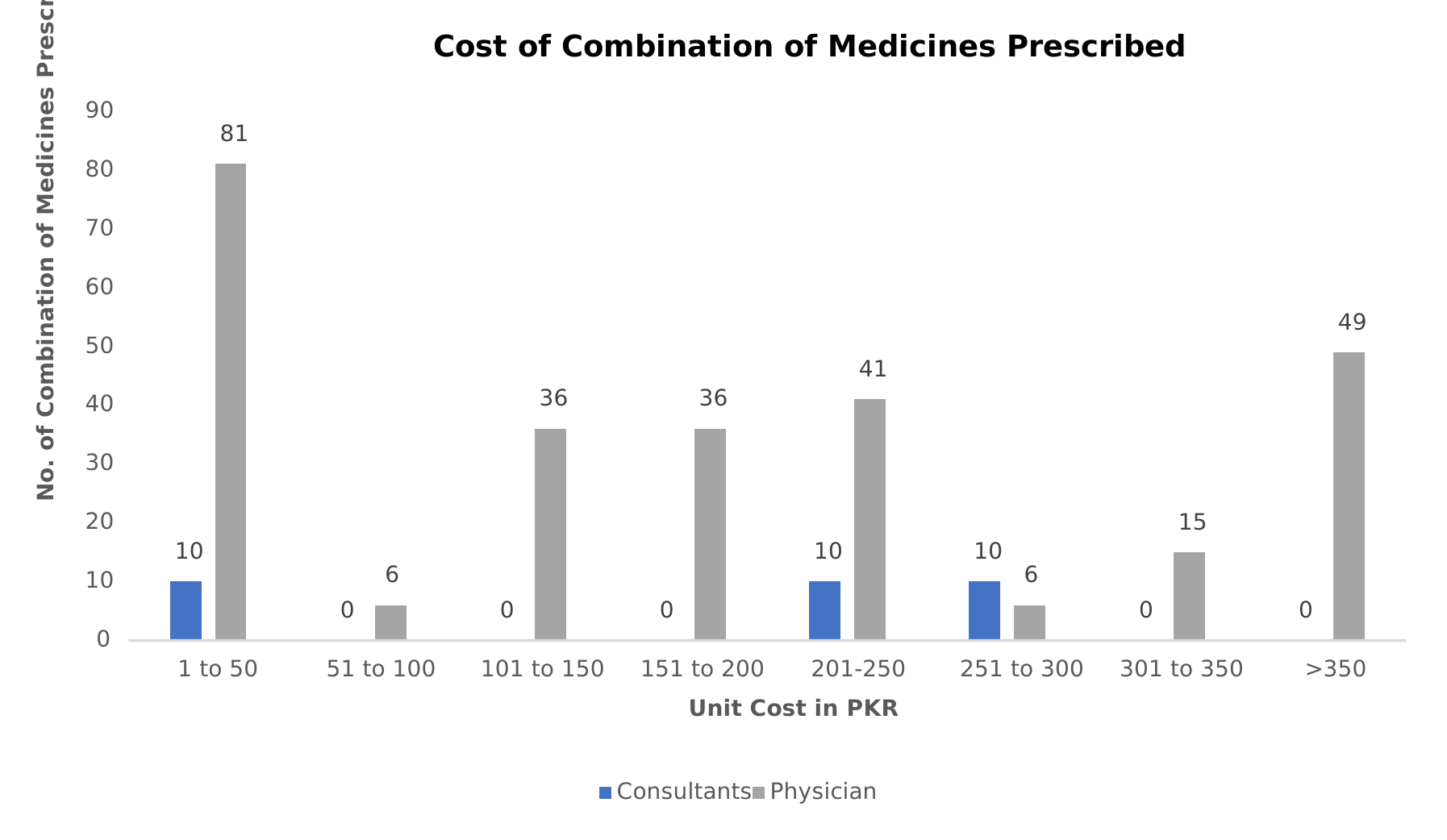
Figure 2. Cost of combination of medicines prescribed by consultants and physicians.
Table 1 presents the results of two-way ANOVA conducted to evaluate whether treatment costs (including antimalarials, antibiotics, and antipyretics) differ by prescriber type and medication category. The interaction effect between prescriber type and medication category was statistically significant (F = 6.211, p = 0.002), indicating that treatment costs varied depending on both factors. However, the main effect of prescriber type alone was not significant (p = 0.305), whereas the medication category had a highly significant effect on treatment cost (F = 31.270, p < 0.001). The coefficient of determination (R² = 0.139) indicates that approximately 13.9% of the variance in treatment cost was explained by prescriber type and medication category and suggests that other unmeasured factors, such as disease severity, diagnostic investigations, prescription duration, or institutional procurement policies, may also influence cost outcomes, along with the prescriber type and medication category.
| Variables | df | F | Sig. | |
| Prescriber | 1 | 1.054 | 0.305 | |
| Medicines | 2 | 31.270 | < 0.001 *** | |
| Prescriber * Medicines | 2 | 6.211 | 0.002 *** | |
| * R squared = 0.139 (adjusted R squared = 0.134); ** Dependent variable: cost per treatment; *** Statistical significance set at p < 0.05. | ||||
4. Discussion
The study revealed that physicians more frequently prescribed drugs with lower unit costs, less than PKR 30, and, in most cases, fewer than PKR 10. In contrast, consultants more commonly prescribe antimalarials within higher cost ranges, between PKR 31 and PKR 40. The average cost of prescriptions of the combination therapies of the physicians was observed to be in the lower cost range of PKR 1 to PKR 100, with a few extending beyond PKR 350. In contrast, consultants tend to prescribe combinations within the mid-range cost categories, between PKR 201 and PKR 300. Furthermore, malaria treatment cost trends and patterns vary by healthcare professional type and are influenced by the category of medication prescribed.
The results of the current study are in line with those of another study that revealed that the overall treatment cost of malaria is USD 9.31 per person per year [33]. Another study conducted in Kenya reported that the direct medical cost of malaria treatment was USD 7.1 [15]. A study in Nigeria reported that the cost of malaria treatment ranges from USD 2.5-4.1 [34]. However, another Nigerian study reported the direct medical cost of malaria treatment to be USD 5.8 [24]. Moreover, another African study revealed a higher prescription cost for uncomplicated malaria treatment and stated that antimalarial drugs account for 62% of the treatment cost [14,35]. Furthermore, a study from Uganda highlighted the greater cost of malaria treatment for admitted patients than malaria treatment received in facilities other than hospitals [33]. Additionally, studies from African settings suggest that the cost of uncomplicated malaria treatment among pregnant women is relatively high and poses an economic burden [36].
Consultants’ higher-cost prescribing may stem from managing more complex or treatment-resistant cases, prompting the use of newer or broader-spectrum antimalarials perceived as more effective or better tolerated. Differences in training, clinical autonomy, and patient socioeconomic status may also influence preferences for branded or combination therapies [37,38]. Systemic factors, including pharmaceutical marketing, limited pharmacoeconomic training, and variable adherence to guidelines, further contribute to differences in the cost of prescriptions [39,40]. In malaria-endemic countries, uncertainty in the results of diagnostic tests may also be a driver of broader empirical prescribing by healthcare professionals [41].
The findings of this study contrast with previous scientific Pakistani literature on malaria treatment prescribing trends, which reported a greater number of drugs per prescription and extensive polypharmacy in prescriptions, ultimately impacting the direct medical cost of treatment [42,43]. One major reason for these high direct medical costs of malaria treatment is the irrational overuse and overprescription of drugs by healthcare professionals in hospital settings [44]. The use of antibiotics to treat uncomplicated malaria contributes to increased treatment costs [45,46]. Furthermore, the choice between treating malaria with a single recommended agent or with multiple agents also influences treatment costs [47]. The practice of healthcare professionals prescribing branded drugs instead of generic equivalents also contributes to rising prescription costs [48].
The present study provides a comparison of malaria treatment costs by calculating the unit dose cost of antimalarial therapy and the total cost per prescription (combined therapy). The study also compared physicians’ and consultants’ direct medical costs per unit dose of antimalarial agent and per full treatment, establishing an association between the treatment cost and the prescriber type. However, the study did not consider qualitative factors related to healthcare providers (such as the rationale for drug selection), which remains a weakness of the study. Additionally, the sample was limited to outpatients aged 20–40 years at two public hospitals in Lahore, which may limit the generalizability of the findings to other populations and healthcare settings.
5. Conclusions
The study findings confirm that physicians tend to prescribe lower-cost unit doses and combinations of antimalarial medications than consultants do. Moreover, significant differences in treatment costs were observed based on prescriber type, particularly in relation to the category of prescribed medication. These findings highlight the need to promote rational prescribing practices and cost perceptions among healthcare providers operating at different levels of the healthcare system to ensure effective yet cost-efficient malaria treatment. Future studies should qualitatively explore the behavioral and institutional factors driving prescriber choices to better inform policy and practice.
Author contributions
Conceptualization, IS, SM, JA and MOS; methodology, IS, SM, and JA; software, IS, and SM; validation, IS, SM, JA and MOS; formal analysis, IS, SM, and JA; investigation, IS, SM, JA and MOS; resources, IS, SM, and MOS; data curation, IS, SM, JA and MOS; writing—original draft preparation, IS, SM, JA and MOS; writing—review and editing, IS, SM, and JA; visualization, IS, SM, JA and MOS; supervision, IS, SM, and MOS; project administration, IS, SM, and MOS. All authors have read and agreed to the published version of the manuscript.
Publication history
| Received | Revised | Accepted | Published |
| 07 September 2024 | 29 October 2024 | 07 November 2024 | 31 December 2024 |
Funding
This research received no specific grant from the public, commercial, or not-for-profit funding agencies.
Ethics statement
This study obtained ethics approval from the Ethics Review Committee of the Hussain College of Health Sciences, Lahore (No. HCHS/21/ERC/158).
Consent to participate
Not applicable.
Data availability
The data supporting this study's findings are available from the corresponding author, Sumariah Mehwish, upon reasonable request.
Acknowledgments
None.
Conflicts of interest
The authors declare no conflicts of interest.
Copyright
© 2024 The Author(s). This is an open access article distributed under the terms of the Creative Commons Attribution (CC BY) License. The use, distribution, or reproduction in other forums is permitted, provided the original author(s) and the copyright owner(s) are credited and that the original publication in this journal is cited, in accordance with accepted academic practice. No use, distribution or reproduction is permitted which does not comply with these terms.
Publisher's note
Logixs Journals remains neutral concerning jurisdictional claims in its published subject matter, including maps and institutional affiliations.