

Delays in the referral, diagnosis, and treatment of tuberculosis patients in a community pharmacy network in Pakistan
Published: 20 December 2025
Volume 4
Abstract
Timely diagnosis and treatment delays among tuberculosis (TB) patients remain among the major challenges for controlling and eradicating the disease globally. Delayed health-seeking behavior among TB patients may either contribute to undetected and untreated TB cases or lead to poor treatment outcomes when patients are eventually diagnosed. Managing these delayed TB consultations becomes even more challenging in lower-middle-income countries (such as Pakistan), where TB incidence and transmission rates are high, but limited evidence is available on patient and health system delays in seeking and initiating TB treatment. This study aimed to assess the time delays of patients attending pharmacies managed by TB referral initiatives in Pakistan. A case detection approach utilizing a public‒private-mix (PPM) partnership was developed and fully protocolized for use; this approach involved participation in pharmacies to assess and provide a formal written referral to patients presenting with symptoms indicative of TB. Ranges of pharmacy referral implementation delay as well as diagnostic and treatment delay of TB patients were defined. Among the 500 pharmacies trained in PPM partnerships, 427 (85%) were active in providing referrals. The median pharmacy referral implementation delay was found to be 46 days. Among the 547 TB cases identified through the community pharmacy-referral network, the median diagnostic delay and treatment delay were found to be 4 days and 1 day, respectively. Time delays among TB patients diagnosed through the community pharmacy referral network in Pakistan were relatively low for diagnosis and treatment; however, delays related to the implementation of pharmacy referrals were at times longer than those reported in local, regional, and global settings.
Keywords
Delay in tuberculosis diagnosis, Health-seeking behavior, Pharmaceutical public health, Pharmacy services, Physician-pharmacist collaborative care, Public‒private partnership
1. Introduction
A major impediment in the effective control and eradication of tuberculosis (TB) is the delay in the diagnosis and initiation of effective treatment for patients with TB [1]. Delays in patients’ help seeking, diagnosis confirmation and treatment initiation impact TB control even in settings where there are active case detection strategies and cure rates are high [2,3]. A clear consequence of time lags between developing TB disease and being screened or being screened and referred for treatment initiation is the higher risk of community transmission, along with other sequelae such as increased morbidity or even mortality for those infected with TB disease (active cases) [4,5].
An active TB patient may release up to 3,000 Mycobacterium TB organisms as infectious aerosols while coughing or talking for just 5 minutes, which are highly pathogenic, and even exposure to a single organism can cause the disease [6]. An exposure of five hours or more to the bacterial nuclei within such infectious droplets was reported as a risk factor for infection with TB in one study [7]. The case for minimizing the delay between disease onset and treatment is further supported by findings that indicate that the possibility of death from TB is relatively high in TB patients who have delayed TB diagnosis [8]. The mortality rate of nontreatment in active cases has been reported to be as high as 50% [9].
These data clearly highlight that delayed consultation, diagnosis, and treatment of TB may lead to undetected and untreated patients who will have the ability to infect and cause TB within their social/occupational network to many others, resulting in increased infection and TB disease load for health systems and imposing personal burdens such as income loss for individual patients [10,11]. It is therefore imperative to identify and address the reasons for consultation, diagnostic and treatment delays to prevent the unnecessary burden of infection transmission and active disease incidence [12].
Community pharmacies have been reported to often serve as consultation and referral points for presumptive TB patients who prefer to self-medicate and thus delay medically supported TB case investigation processes [13,14,15,16,17,18]. While unprofessional TB-related practices in pharmacies, such as supplying medications (e.g., antimicrobials), have the potential to do harm, harnessing the accessibility of pharmacies for assessment and triage in presumed TB case presentation is an effective model that leverages the privately funded infrastructure of pharmacies for public health benefit. With adequate training, procedural support and collaboration with publicly funded medical facilities, pharmacists in community pharmacies can facilitate accelerated TB case detection and early inclusion of patients in treatment programs [19].
Indeed, community pharmacy-based TB case detection, referral and follow-up of referred presumptive cases has been a strategy used in many countries, but evidence of the impact of this model in the Pakistani healthcare system has only recently been demonstrated [20,21]. In this Pakistan-based community pharmacy–public system triage model, 500 pharmacies across 3 districts participated and contributed to 9% of all new TB cases identified through private venues in the project time frame, thus demonstrating the positive impact of the ability of the pharmacy to progress presumptive TB cases through to receive guideline concordant TB care from trained general practitioners (GPs) [20]. However, it was clear that even in this Boosted model, time lags were possible in the actions required by the presumptive TB cases assessed in pharmacies, the assessing pharmacy/pharmacists and the GP clinic and linked laboratory testing facility. Delays in this public‒private-mix (PPM)-Boosted model could be caused by a) pharmacies (in counseling, referring to and facilitating follow-up of a presumptive case identified in the pharmacy), b) the presumptive TB patient (in receiving the pharmacist’s referral and actioning a visit to the referred GP clinic), and c) GPs and Labs (during TB case diagnosis after a presumptive case presentation and anti-TB treatment initiation).
To increase the efficiency of such PPM-Boosted models, analyzing and addressing sources of delay across the patient trajectory, i.e., progressing a TB presumptive patient initially presenting at a pharmacy to a confirmed diagnosis through treatment initiation (see Figure 1), would be important for establishing efficient community pharmacy PPM-Boosted models for TB case detection in Pakistan. Additionally, understanding the particular weak spots (those where most delays in forward movements are occurring) in this trajectory would, in a quality improvement approach, help in refining strategies to make the PPM-Boosted models more time efficient. In Pakistan, this research is critical, as the incidence, prevalence, and transmission of TB are high; 200,000 active TB cases are ‘missed’ annually, yet research on patient and health system delays in seeking and initiating TB treatment in Pakistan is scarce [21]. Therefore, this study aims to assess the time delays across the linear trajectory from presumptive TB patients who are presenting at community pharmacies and who are participating in the PPM-Boosted program (pharmacy referral network) through diagnosis and treatment initiation in GP clinics.
2. Methods
The detailed methods adopted to test the impact of the PPM-Boosted model have been described previously [20] but are summarized below as they form the context for the current study.
2.1. Study setting
As mentioned in the introduction, the PPM-Boosted model project was conducted within 500 community pharmacies from January to December 2017. These pharmacies were located in Gujrat (n = 50), Lahore (n = 350), and Sheikhupura (n = 100), districts of Punjab, Pakistan. These private pharmacies were mapped, recruited, trained and implemented with the PPM-Boosted model. The details of these processes have been published previously [20]. Notably, pharmacies had to complete two sets of training, initial onsite training (Training-1) and comprehensive collective training at a district’s central location (Training-2); ideally, the protocols stipulated that referrals should occur after both training sessions had been completed by a pharmacy.
2.2. Study design and subjects
It was an implementation trial in which a case detection approach was developed and protocolized fully for use by participating pharmacies in assessing and providing a formal written referral to patients presenting with symptoms indicative of TB [20].
2.3. Data collection
Data were collected from the participating pharmacies by 10 cluster facilitators (1 facilitator per 50 pharmacies and associated GP clinics/labs within a 5–10 km radius of pharmacies in each cluster) during planned weekly visits to the participating pharmacies. For each patient assessed and referred, the completion of the referral slip also autogenerated two copies; a pink copy meant to be retained by the referring pharmacy, and a yellow copy was handed to the referred TB patient. At weekly visits, the cluster facilitators collected the original referral slip, and later, each ‘pharmacy-referred case’ was followed up on the basis of a patient identification code to retrieve diagnostic and treatment initiation forms (and dates) in each district. The cluster facilitators were also encouraged to diarize the key findings of their weekly follow-up telephone calls and conversations with case patients right from the point of referral provision until treatment initiation. This process allowed further consolidation of time lapse data confirmed by dates recorded on the referral slip and notification of diagnosis and treatment initiation.
2.4. Study participants
This study included all presumptive TB patients who completed the whole cycle within the PPM-Boosted model between January 2017 and December 2017, i.e., who presented at a trained participating pharmacy, who received a referral from the pharmacy staff, who visited a GP clinic, and who underwent diagnosis as well as treatment initiation by a GP. Presumptive patients who did not receive any referrals from the pharmacy staff were excluded from these analyses.
2.5. Range of time delays for study participants
The time delays were defined across the linear trajectory from presumptive TB patients presenting at community pharmacies who participated in the PPM-Boosted program (pharmacy referral network) through diagnosis and treatment initiation in GP clinics.
2.5.1. Pharmacy referral implementation delay
The average duration of time lapses between pharmacies being trained and referring their first case to the participating local GP clinic (time elapsed between Points A and B in Figure 1).
2.5.2. Diagnostic delay
The average duration of time lapses between a pharmacy-referred case presenting at their GP clinic and the date of confirmed diagnosis (time between points B and C in Figure 1).
2.5.3. Treatment delay
The average duration of time lapses between the confirmed diagnosis of TB and the initiation of treatment at the GP clinic (time between points C and D in Figure 1).
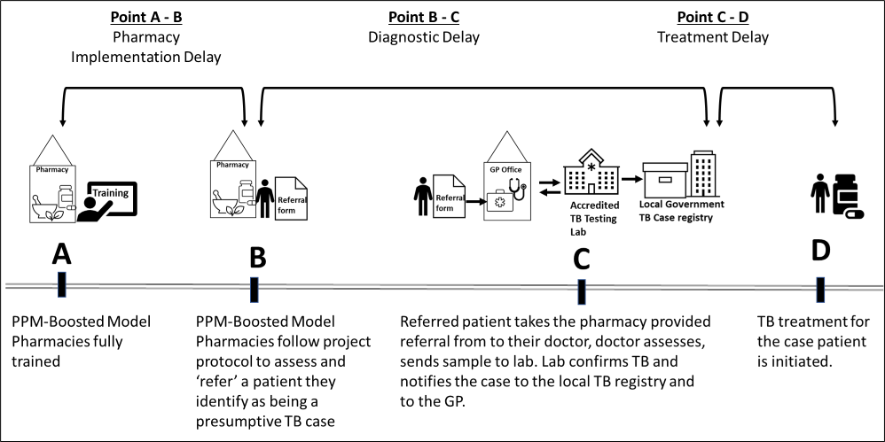
Figure 1. Trajectory of time lapses associated with the PPM.
2.6. Ethical approval
This study was conducted after ethical approval was obtained from the Institutional Review Board (IRB) Ethics Committee, Common Unit, National Tuberculosis Control Program, Ministry of National Services, Regulations and Coordination, Islamabad, Pakistan (No. IRB-CMU-2019-06).
2.7. Data analysis
The collected data were entered into Excel (Microsoft Excel 2017 edition). The data were cleaned, verified for accuracy, and analyzed descriptively for the study period. Diarized findings reported by cluster facilitators were collated and carefully examined for any key data that could elucidate any patient, pharmacy or other barriers related to referral provision, uptake, diagnosis or treatment initiation.
3. Results
Out of 500 pharmacies trained in the PPM Boosted model, 427 (85%) pharmacies were active in providing (a total of 3025) referrals to GP clinics from January to December 2017, and a total of 547 patients were confirmed as new TB patients among referrals, as reported earlier [20].
3.1. Pharmacy referral implementation delay
In terms of the actively participating (427) pharmacies, 16% commenced referring to presumptive patients before they had completed the comprehensive training session. These referral data were not included in the analyses; as per the protocol, the completion of comprehensive training (Training-2) was considered a cutoff point for documenting the referral implementation delay. With respect to postcomprehensive training, approximately 25% of the pharmacies started referring to presumptive TB cases within a median of 13 (range: 1–30) days, and 18% of the pharmacies started referrals after a median delay of 45 (range: 31–60) days. Overall, the median delay in pharmacy referral implementation within the PPM-Boosted model was 46 days (range: 1–270 days). The distribution of delays in pharmacy referral implementation for the entire group of pharmacies in operational districts in terms of days of delay is shown in Figure 2.
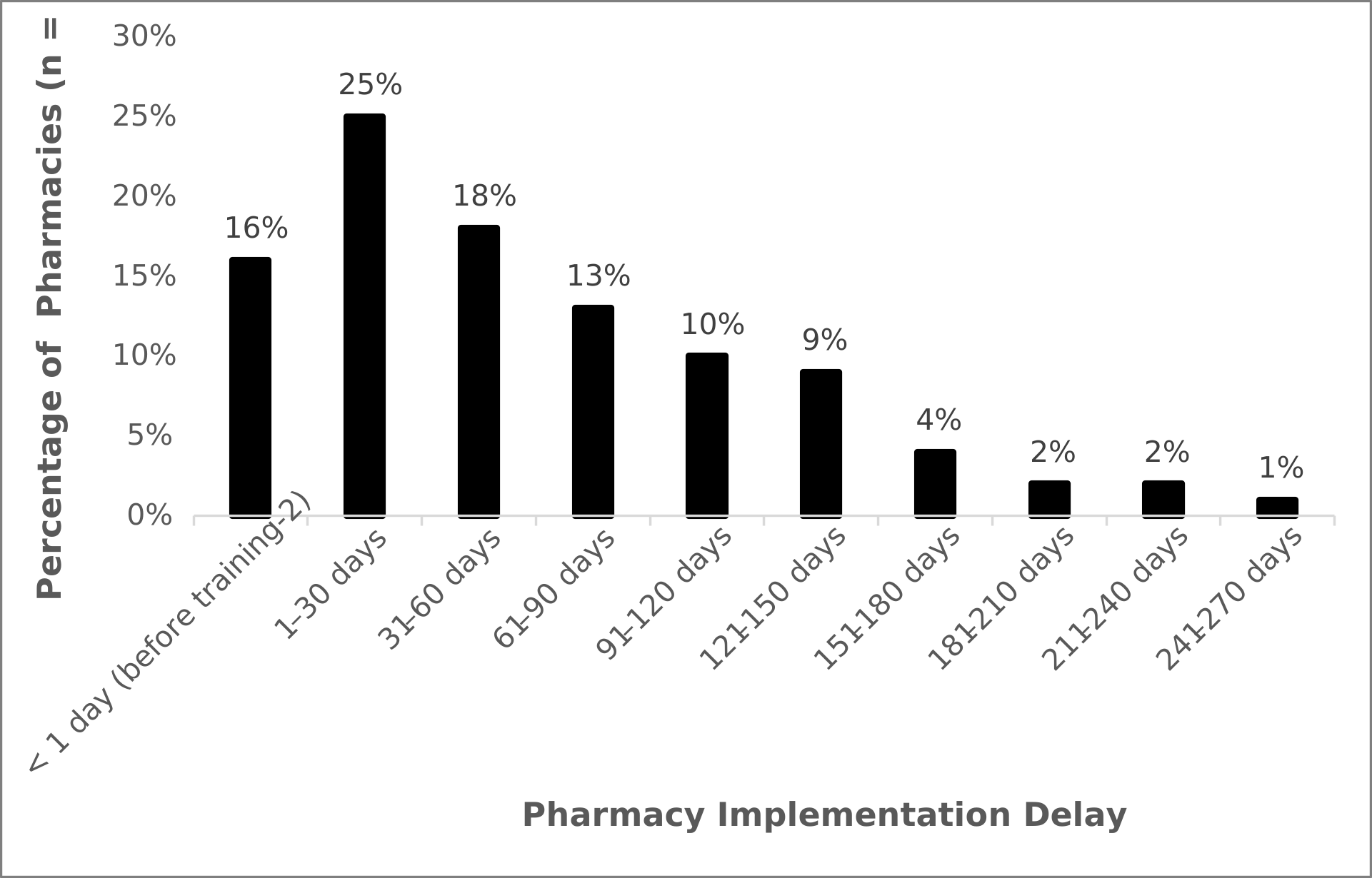
Figure 2. Proportion of pharmacies in different ranges of referral delay in the operational districts.
3.2. Diagnostic delay
Diagnostic delay data were categorized into nine groups for ease of analysis (Figure 3). Among 547 notified TB cases that stemmed through the community pharmacy referral network, the overall median diagnostic delay for diagnosed TB patients was found to be 4 (range: < 1–32 days). The diagnostic delay ranged from less than 1 day to as long as 29–32 days. Approximately 43% of the TB patients had a median diagnostic delay of 3 (range: 1–4) days, followed by 22% with a median delay of 6 (range: 5–8) days. Additionally, 11% of TB patients were diagnosed at GP clinics either on the same day of presentation or within 8–12 days of their referral from community pharmacies. The distribution of diagnostic delays for the entire group of notified TB patients in the PPM-Boosted model is depicted as days in Figure 3.
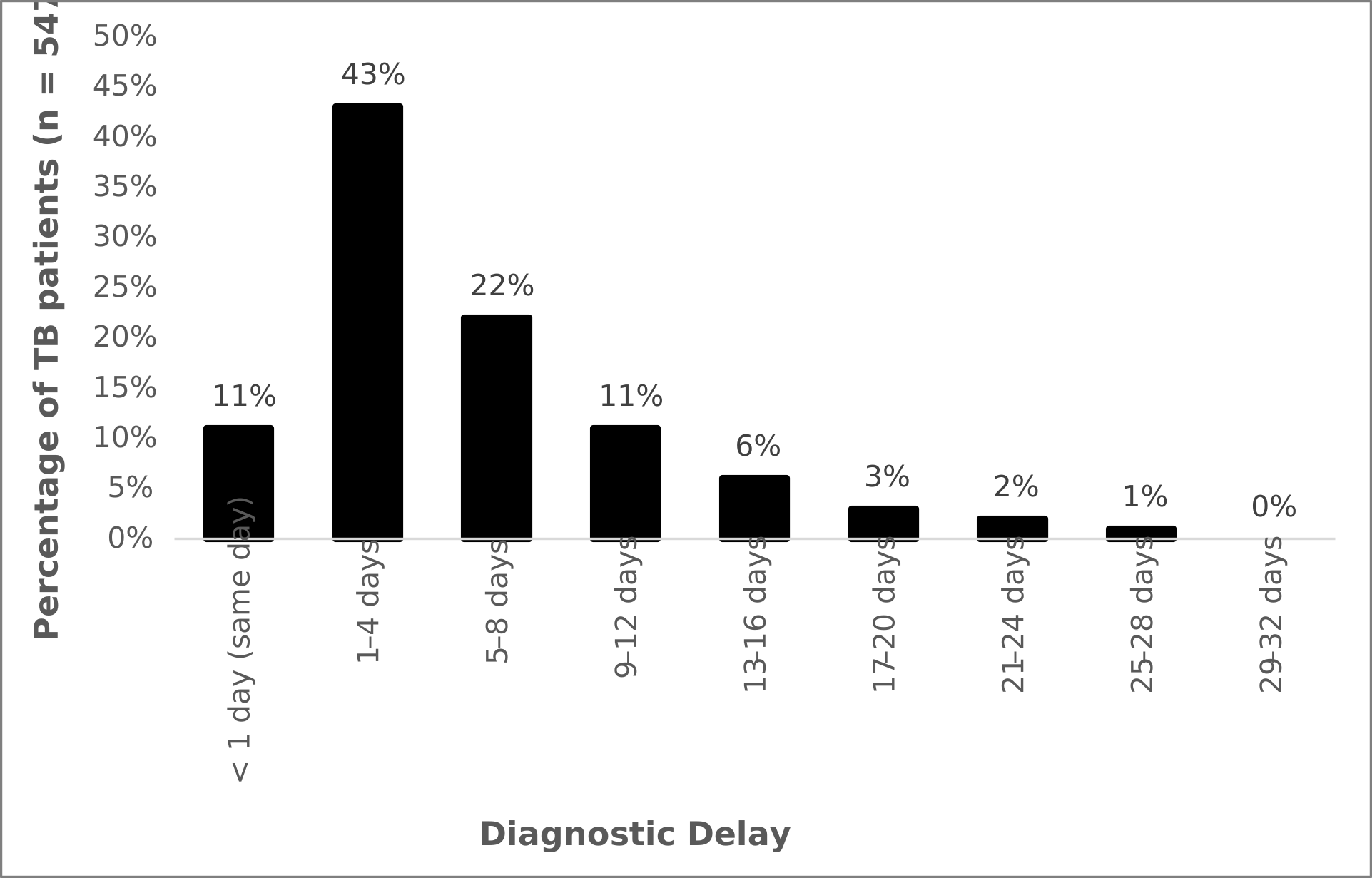
Figure 3. Proportion of TB patients in different ranges of diagnostic delays in operational districts.
3.3. Treatment delay
Anti-TB treatment for diagnosed TB patients was mostly (82%) initiated after a delay of one day from their date of case registration, while the longest treatment delay was > 2 days. Moreover, 16% of the diagnosed TB patients received their prescribed TB treatment on the same day as their diagnosis at GP clinics. The median treatment delay was just 1 (range < 1 to > 2) day. The quantile distribution of treatment delay for the entire group of diagnosed TB patients in the PPM-Boosted model in terms of days of delay is shown in Figure 4.
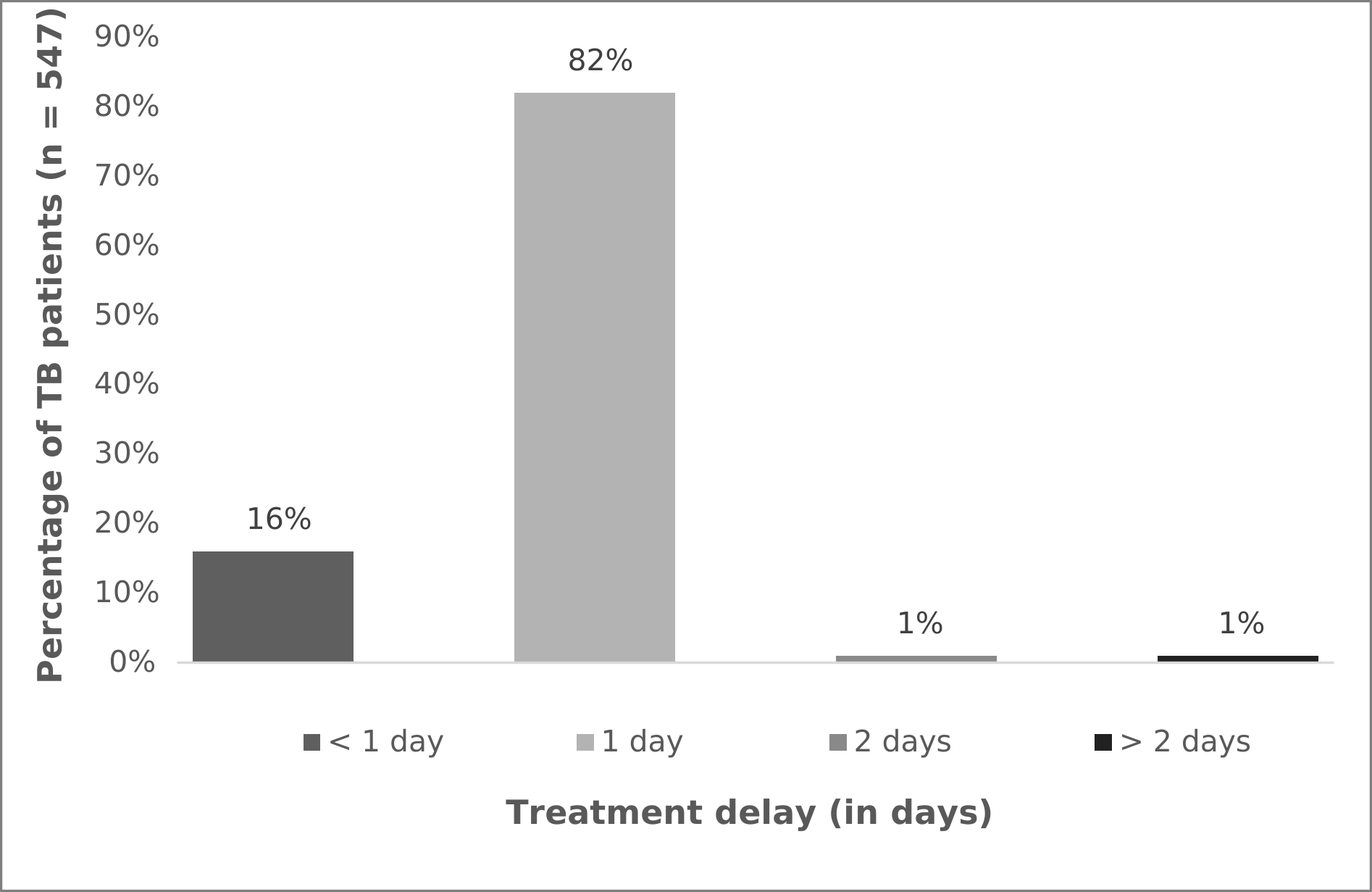
Figure 4. Proportion of TB patients in different ranges of treatment delay in operational districts.
4. Discussion
This is the first large-scale project to pragmatically estimate the time delay between patient symptom recognition and treatment initiation in TB patients who present at community pharmacies; this project is attached to a PPM-Boosted model for TB case detection in the Pakistani health care system. While most PPM models for TB case detection explore the contribution of ‘case numbers’, few explore the time sensitivity in looping presumptive TB case patients into established health system pathways for diagnosis and treatment, which we assessed during this study. Our analysis revealed significant delays at the pharmacy end of the PPM-Boosted model, which includes pharmacies, even though such a model can contribute to case detection rates. In this project, the delay in the implementation of pharmacy referrals constituted the main delay in TB case detection, diagnosis, and treatment initiation. Given that community pharmacists significantly contributed to the detection of missing TB cases, exploring methods to enhance the adoption and implementation of established PPM-Boosted protocols more widely is needed.
A positive observation regarding the provision of referrals to pharmacies for presumptive TB cases presenting in community pharmacies was that a majority of the pharmacists were ‘prompt’ in implementing the assessment and triaging patients via the referral; 43% of the actively participating pharmacies started referring presumptive TB patients to GP clinics during the first two months of participation (i.e., referral delay of 1 day to 60 days) after their comprehensive training), which may be denoted as the ‘early adopters’ of this role on the basis of Rogers’ Model of the diffusion of innovations [22]. Usually, only a handful of players in an innovation are ‘early adopters’; hence, this reasonable level of initial uptake may suggest the overall readiness of the pharmacy community in Pakistan to contribute to infectious disease control. Motivational strategies in future versions of this PPM-Boosted model could involve showcasing these early adopters as ‘role models’ for other pharmacists participating in the project. Michie’s work on implementation research suggests that enablement and training are key motivational strategies for enabling practice behavior change [23].
An analysis of the delay in pharmacies initiating referral provision provides additional insight from data collected within the PPM Boosted model, which has not been commonly established in other research studies examining the potential of community pharmacy referral networks for TB case detection, e.g., in countries such as Vietnam [17], Bolivia [16], Cambodia [13], the Dominican Republic [18], and a previous pilot-scale project in Pakistan [24]. A few similar projects have attempted to document this referral implementation lag; for example, in India, researchers reported an implementation lag of 30 days (median) [14], which is lower than that in our project [i.e., an implementation lag of 46 days (median)]. Indian pharmacies in that project had several facilitators that may have prompted patient consent for assessment and referral; e.g., these pharmacies had the ability to refer the patient being assessed directly for a chest radiograph (CXR) or to a linked GP irrespective of the CXR result or to a private laboratory of their choice [14]. In our project, consenting to a case presenting with TB symptoms relied on verbal patient counseling rather than proactively being able to perform a diagnostic process. Being referred for a ‘test’ can psychologically enhance perceptions about the seriousness of symptoms and prompt patients to follow through with recommended actions. In our study, the reasons for the delay in referral implementation reported by cluster facilitators after pharmacy and patient follow-up included low patient perceived symptom severity or a preference for self-medication on a previous physician’s prescription initially. Similar findings have been reported in other studies [14,25]. Pharmacy training perhaps should have included strategic risk communication skills.
In our data, we were unable to pinpoint delays attributed to the patient. For example, patients who may have not actioned their provided referrals quickly or even refused a referral when offered this for the first time at the pharmacy and only consented when counseled repeatedly. Our data were obtained only from referral slip dates at the pharmacy and the appearance of a referred patient tracked to a GP clinic and registered as diagnosed. According to studies that have assessed patient delay in initial TB consultation with a medical practitioner after referral from venues other than private pharmacies, patient factors clearly contribute to the time taken for TB diagnosis and treatment. For example, median patient delays of 30 days in Thailand [26], 32 days in Nepal [27], 35 days in Ethiopia [28], 58 days in China [29], 59 days in Ghana [30], and 61 days in the Peruvian Amazon [31] have been reported.
Finally, a general note in countering this patient delay during the pharmacy referral implementation lag would be to suggest that increased awareness of the roles of pharmacies in public health programs needs to be better highlighted to the public in countries where community pharmacies are still perceived to be mere ‘medicine outlets’ rather than trusted members of the health care profession. Studies report major gaps between public expectations and actual experience at Pakistani pharmacies. In a survey of 385 members of the public, only half expected pharmacists to be medication experts [30]. Given this situation, it is not surprising that some delay in referring patients may have been due to patient mistrust of what the pharmacists were proposing. Local area advertising highlighting what the pharmacists were doing, supported by other prominent medical professionals, may have prompted patients to consent to receive a referral.
The mean diagnostic delay for TB patients identified through the PPM-Boosted model was 4 days. This four-day period was a normally established mechanism after the referral provision in Greenstar Social marketing (GSM, i.e., the implementing organization) operated PPM facilities during the study period. This normal period included a patient visit from the pharmacy to the GP check-up on a pharmacy referral slip, receiving a TB diagnostic test-free voucher and providing an on-the-spot sample to the PPM laboratory (Day 1), a patient providing an empty stomach sputum sample (i.e., the second) to the PPM laboratory the next morning (Day 2), receiving sample results from the laboratory after 24 hours (Day 3), and finally revisiting the GP clinic for final diagnosis (Day 4). Given that the project implementation team developed processes to facilitate speedy diagnostics, the efficiency of the diagnostic process once patients entered the medical system is not surprising. This four-day diagnostic delay was substantially lower than the median diagnostic delay of 29 days previously reported in China and Taiwan [32] and 60 days in Pakistan [33]. These two studies with longer diagnostic delays mainly involved initial or direct contact of TB patients with a GP clinic where training around complete diagnostic procedures may not have been provided to the patients. The lower delays in diagnosis in our PPM-Boosted model might be attributed to pharmacy staff counseling at the time of referral provision and their careful selection of the referred GP clinic (from the GSM directory) lying either within a five-kilometer radius of the pharmacy or close to the referral's home address, as well as providing additional information (opening and closing times) about TB facilities (GP clinics and labs) to patients. Working around patient preference and counseling are processes that have been shown to predict referral uptake in both high-income [34] and low-income countries [35,36].
Once diagnosed, all patients (i.e., 547 patients) commenced their TB treatment in the PPM Boosted model, and no case of pretreatment loss to follow-up was recorded. In total, the treatment of 98% of the TB patients was initiated either on the day of diagnosis or the day after diagnosis at the GP clinic, with a median treatment delay of 1 day after their date of registration. These findings are substantially better than those of previous private TB health care facilities in Pakistan, where an analysis of TB treatment in 8 Pakistani districts (four districts in each of the Punjab and Sindh provinces of Pakistan) indicated that only 66% of smear-positive patients initiated TB treatment either on the same day or 1 day after diagnosis, with a median treatment delay of seven days and a 5% loss to follow-up of diagnosed TB patients in the pretreatment phase [37]. The main reasons for the lower proportion of TB patients who received treatment initiation (66% vs 98%) and longer median treatment delay (7 days vs 1 day) in this study than in our study were pretreatment loss-to-follow-up of the diagnosed patients and the lack of a mechanism for tracking such TB patients [37]. These two factors in the aforementioned study seem to be largely resolved in the PPM-Boosted model.
A key strength of our study is the inclusion of all categories (pulmonary and extrapulmonary cases) of TB patients contributing to the TB infectious pool at different levels, which has remained a limitation in previous studies examining delays in TB referral, diagnosis, and treatment [11]. However, this study has several limitations. The time interval between symptom appearance in patients and the patient visit at their pharmacy (patient delay) could not be calculated. Additionally, we were unable to determine the delay incurred between referral by the pharmacy and the patient’s actual attendance at the GP clinic. Both these data are of key importance in understanding how future TB case detection and treatment models could hasten patient entry into treatment pathways. Unlike the total delay for TB patients receiving treatment reported in the literature [17], the time delays assessed in our study (pharmacy referral implementation, diagnosis, and treatment) were not all patient centered. The pharmacy referral implementation delay calculation was based on the number of pharmacies engaged and referrals made to TB clinics, from which a median delay per pharmacy was derived. The diagnostic and treatment delay calculations focused on diagnosed TB patients among the overall referrals.
5. Conclusions
Patients referred to GP clinics through trained community pharmacies under the PPM-Boosted model contributed to TB case detection and treatment initiation. The time delays for diagnostic confirmation and treatment initiation among TB patients diagnosed through this model in Pakistan were relatively short, whereas the median delay in the implementation of pharmacy referrals was relatively long. The short diagnostic and treatment delays observed in this study may reflect the structured referral pathway within the PPM-Boosted model and the coordination between pharmacies, GP clinics, and laboratories. However, the longer median pharmacy referral implementation delay suggests variation in the timing of referral uptake following training. A more comprehensive assessment of delays could be achieved by separately evaluating patient delays and pharmacy-level delays. Additionally, strengthening pharmacy-based TB assessment capacity may further increase referral efficiency beyond the reliance on verbal counseling alone.
6. Recommendations
Implementing TB screening services at pharmacies or enabling direct referral from pharmacies to laboratories may facilitate the filtering of presumptive TB patients presenting at pharmacies before referral to GP clinics, which could also assist timely patient consent for referral and potentially reduce the median delay in pharmacy referral implementation (currently 46 days). Additionally, prescreening at referring pharmacies may further increase the proportion of confirmed TB cases among referrals in Pakistan (approximately one in five referrals from community pharmacies were diagnosed as active TB at the GP clinic) [20].
Given the passive TB case-finding approach (i.e., patient-initiated pathway for TB investigation) adopted in our study, reducing pharmacy referral implementation delay (including both patient- and pharmacy-related delays) may require a transition toward a more active or enhanced TB case-finding strategy, which could involve systematic screening and clinical evaluation of persons outside traditional health facility settings, similar to approaches implemented in other settings such as China [2].
It may also be valuable to conduct in-depth qualitative research with patients and pharmacists who participated in the PPM-Boosted model to better understand the contextual factors contributing to delays in referral implementation.
Supplementary materials
The following supporting information can be accessed through the embedded link: Supplementary Table S1, Key definitions of community pharmacies referral network.
Author contributions
Conceptualization, WU, BS, RF, SAG, and GMK; methodology, WU, HA, BS, RF, AUS, MIK, and GMK; software, WU, HA, AUS, and MIK; validation, WU, HA, AUS, and MIK; formal analysis, WU, HA, AUS, and MIK; investigation, WU, HA, and SAG; resources, WU, and GMK; data curation, WU, HA, AUS, and MIK; writing—original draft preparation, WU, HA, BS, RF, SAG, AUS, MIK, and GMK; writing—review and editing, WU, AUS, and MIK; visualization, WU, HA, and SAG; supervision, WU, and GMK; project administration, WU, and GMK. All authors have read and agreed to the published version of the manuscript.
Publication history
| Received | Revised | Accepted | Published |
| 15 November 2025 | 16 December 2025 | 18 December 2025 | 20 December 2025 |
Funding
This research received no specific grant from the public, commercial, or not-for-profit funding agencies.
Ethics statement
This study obtained ethical approval from the Institutional Review Board (IRB) Ethics Committee, Common Unit, National Tuberculosis Control Program, Ministry of National Services, Regulations and Coordination, Islamabad, Pakistan (No. IRB-CMU-2019-06).
Consent to participate
Not applicable.
Data availability
The data supporting this study's findings are available from the corresponding author, Waseem Ullah, upon reasonable request.
Acknowledgments
We appreciate the efforts of Khalid Farough (General Manager, Program, TB Project, GSM), Amjed Abbas (Regional Coordinator, GSM), Naseem Ullah (Project Officer, GSM), Syed Azadar Gillani (Project Manager, GSM), Syed Ghulam Haider (Monitoring & Evaluation Manager, GSM), and Sobia Faisal (Technical Manager, GSM) for their continuous support throughout the implementation of this project.
Conflicts of interest
The authors declare no conflicts of interest.
Copyright
© 2025 The Author(s). This is an open access article distributed under the terms of the Creative Commons Attribution (CC BY) License. The use, distribution, or reproduction in other forums is permitted, provided the original author(s) and the copyright owner(s) are credited and that the original publication in this journal is cited, in accordance with accepted academic practice. No use, distribution or reproduction is permitted which does not comply with these terms.
Publisher's note
Logixs Journals remains neutral concerning jurisdictional claims in its published subject matter, including maps and institutional affiliations.